Reli po
galerijama


9 Oct
Pula
23 Oct
Zagreb


See the city through the eyes of contemporary art.

and earn your diploma.
Meet the
galleries
9 Oct 2026 · 17–22h
23 Oct 2026 · 17–22h
More about the exhibition
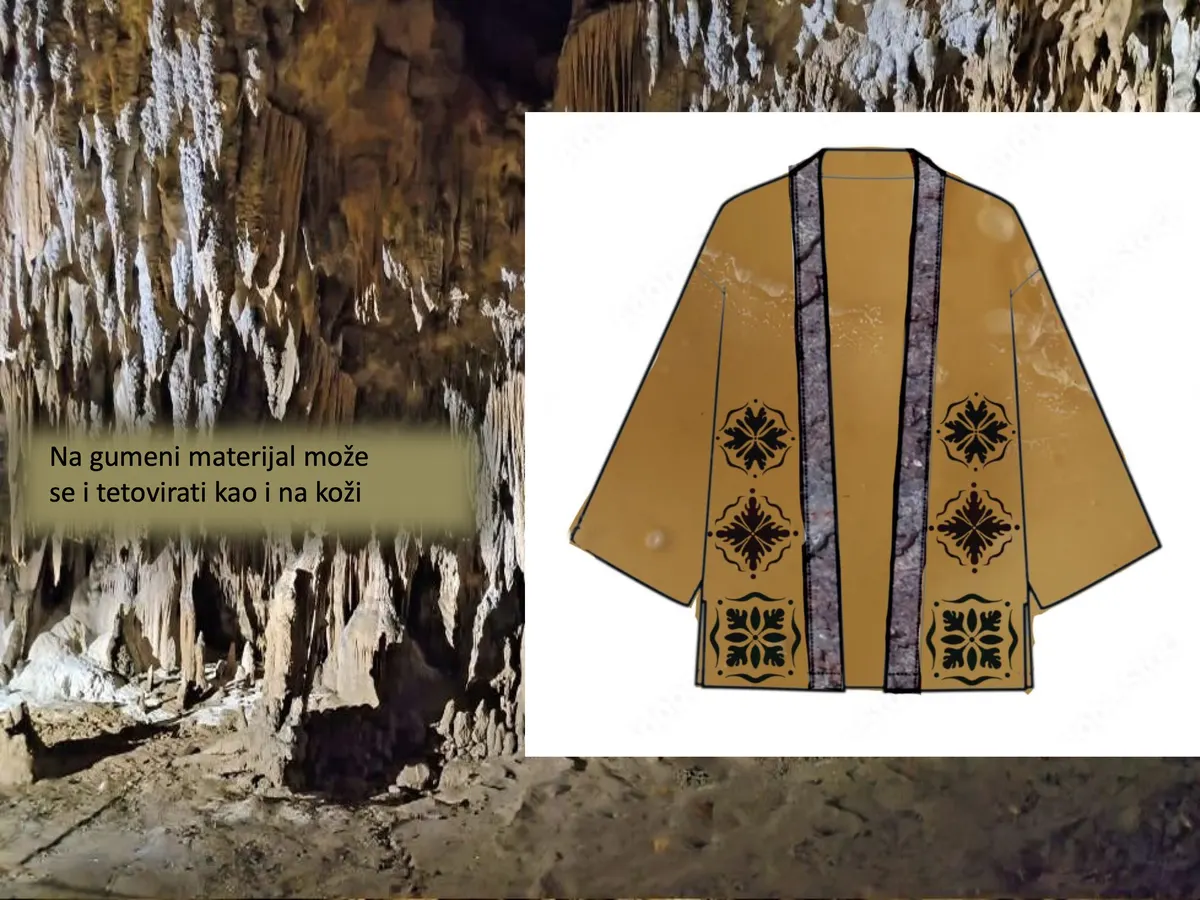
Combining functional garments with art installation, the project links tattoos and clothing as a “second skin” with the cave, the home of our ancestors. Just as cave paintings were the first form of “interior decoration”, tattoos and clothing protect, reveal and communicate identity – bearing witness to the universal need to leave a mark and express ourselves.
More about the exhibition
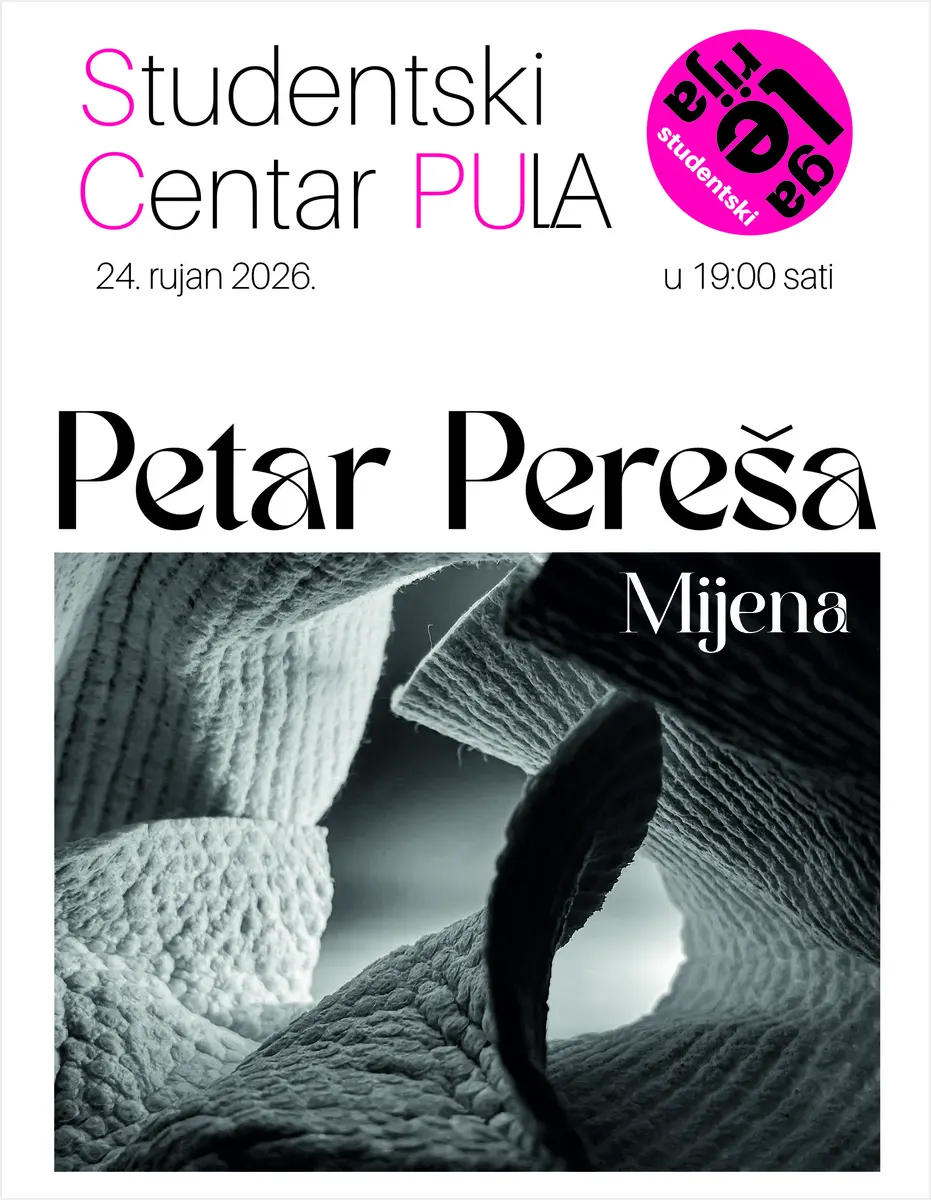
The exhibition grew out of a fascination with change – something not necessarily welcome, but present in everyone’s life. Made during secondary school and the first three years of university, the works move between abstract, idealistic artistic ideas and pragmatic solutions to real-world problems. Petar Pereša (Pula, 2004) studies architecture in Ljubljana.
More about the exhibition
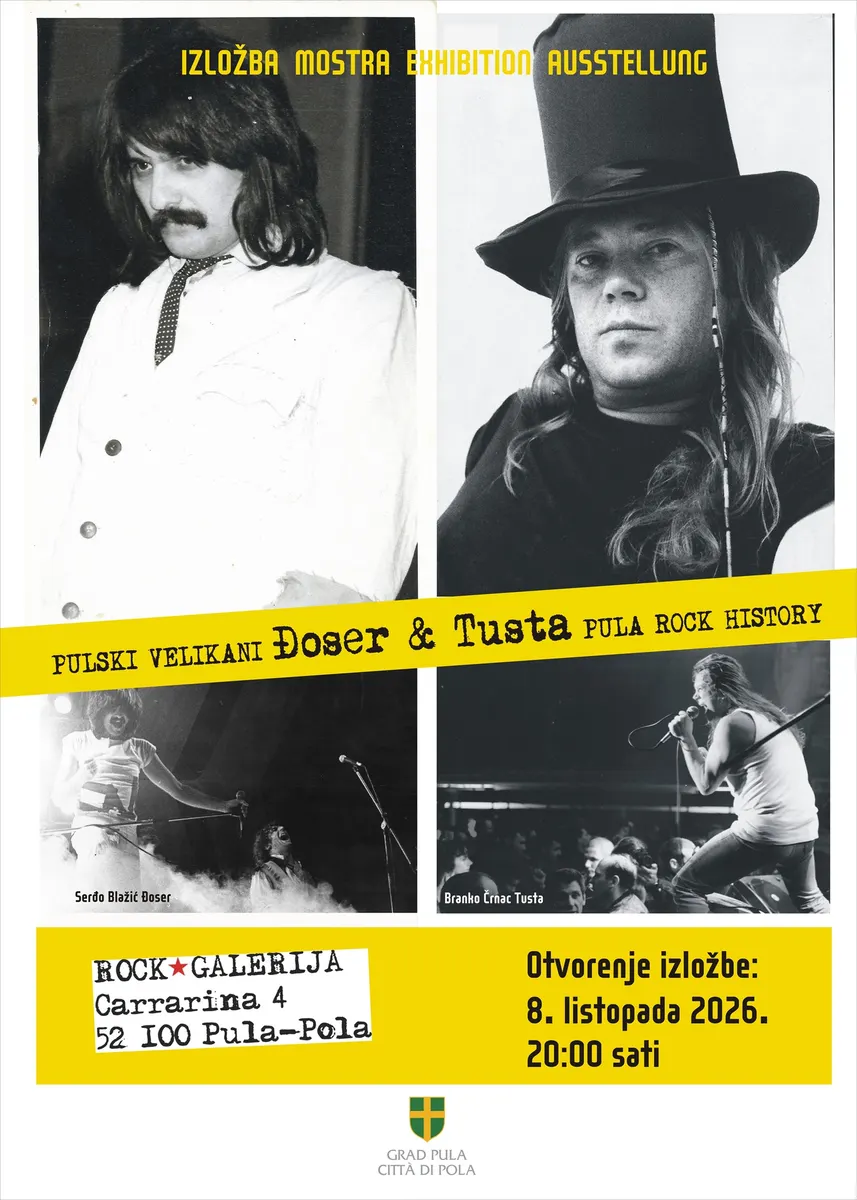
A tribute to two icons of the Pula and regional rock scene – Serđo Blažić Đoser, the voice of Atomsko sklonište, and Branko Črnac Tusta, the face of KUD Idijoti. They remain symbols of a free-spirited ethos, politically engaged rock and Pula as a city with a unique music scene.

More about the exhibition
The new Prozor u prošlost display by the Arheološki muzej Istre, created by Dunja Martić Štefan, tells the story of the transition from the Mesolithic to the Neolithic – from a nomadic to a settled way of life and the beginnings of farming. At its centre are finds from the Kargadur site near Ližnjan bearing traces of “sickle gloss”, the wear left by cutting grasses.

More about the exhibition
This guest exhibition from the Muzej antičkog stakla u Zadru leads you into the world of ancient board games – from Mesopotamia and Egypt to ancient Greece and Rome. Games such as the ancient Egyptian Senet also had a religious dimension: moving the pieces across the board could represent the soul’s journey through the realm of the dead. The exhibition is by Berislav Štefanac and Anamarija Eterović Borzić.

More about the exhibition
This guest exhibition from the Arheološki muzej Zadar is devoted to ceramic tableware and everyday life on the ancient Adriatic. Bowls and plates from the Roman harbour at Zaton near Nin bear incised graffiti and stamps – names and marks of ownership that can also be explored digitally by scanning QR codes. The exhibition is by Dino Taras and Ines Šelendić Taras.
More about the exhibition
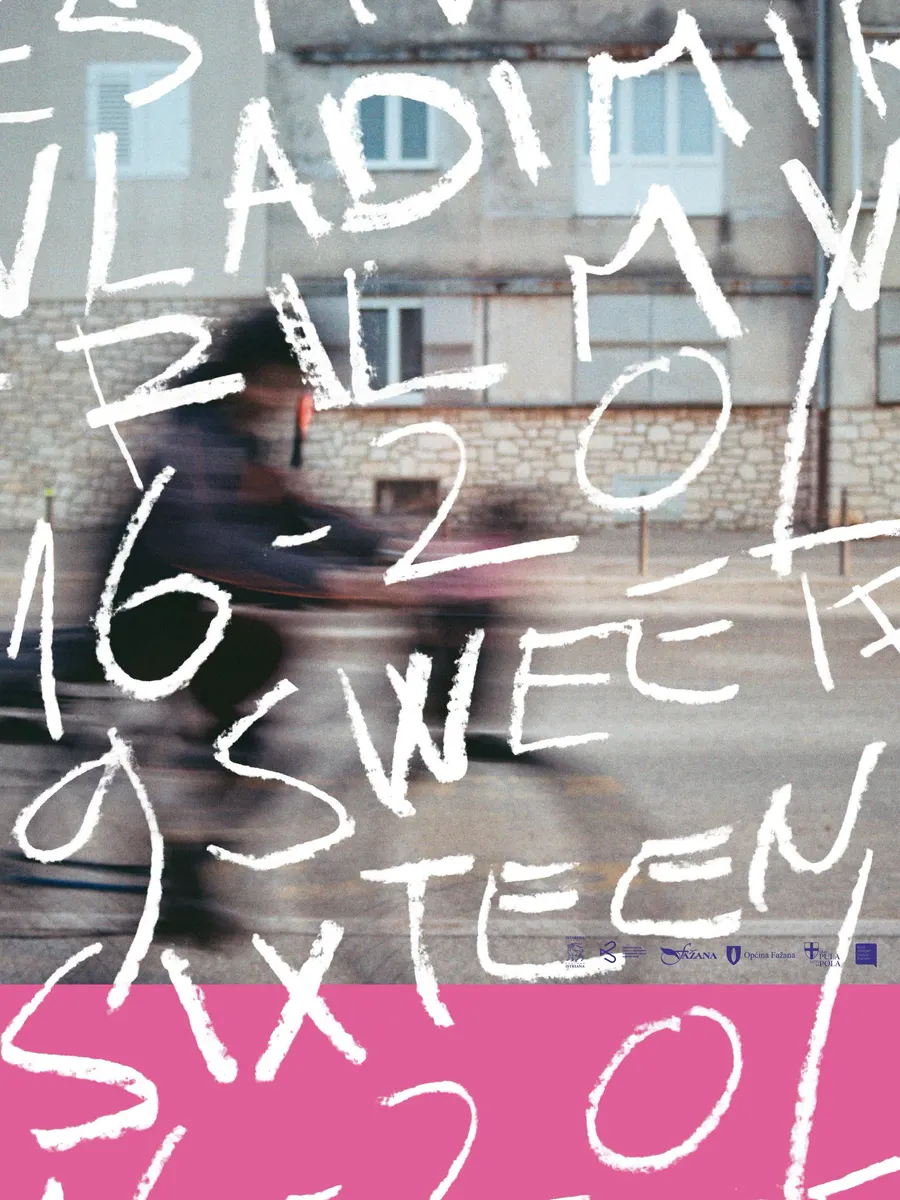
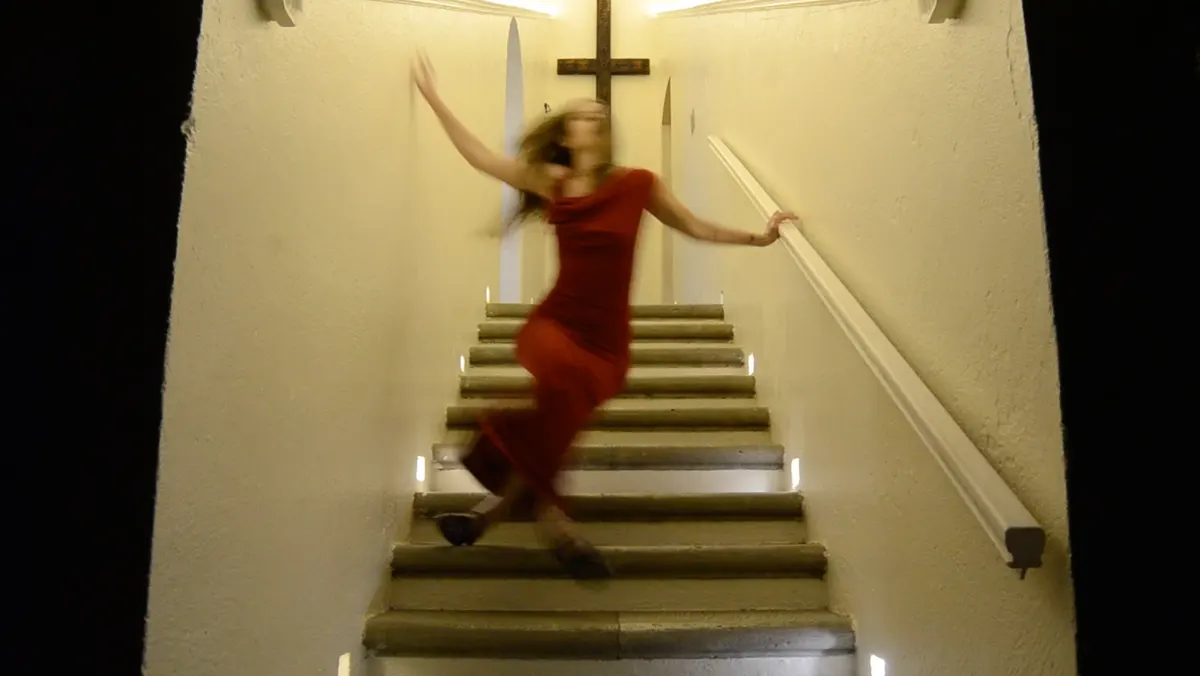
In the foyer of Kino Valli, Zagreb photographer and street chronicler Kristijan Smok shows his work, known for linking skate culture, music, people and everyday city life. “Stanje prijelaza” traces his shift from skateboard to street photography – from the anticipated moment to the unpredictability of the everyday.
More about the exhibition
The exhibition explores how social norms shape, read and steer the body – through gender, identity, belonging, desirability and expectation, as well as the possibilities of resistance. Karlo Štefanek will also give a performance. Curated by Sabina Oroshi; organised by the associations Proces and Metamedij.

More about the exhibition
In Savo Peković’s painting, the Mediterranean emerges in cycles that explore the light, texture and atmosphere of the coast through pure abstraction. The works were painted especially for this occasion and have never been exhibited before.

More about the exhibition
In three sections – the history of the castle from medieval fortress to museum, the military career of Count Josip Kazimir Drašković, and aristocratic marriages (“Tko tu koga ženi?”) – the exhibition shows how the Drašković family and noble society built and maintained power, prestige and social standing.
More about the exhibition
Sanja Merćep’s photographic series embraces “slow practices”: it records small shifts, quiet moments, ordinary objects and passing states, free of sensationalism or any need to impress. The photographs are spaces of pause and reflection – a quiet resistance to the logic of spectacle and the speed of social media.
More about the exhibition
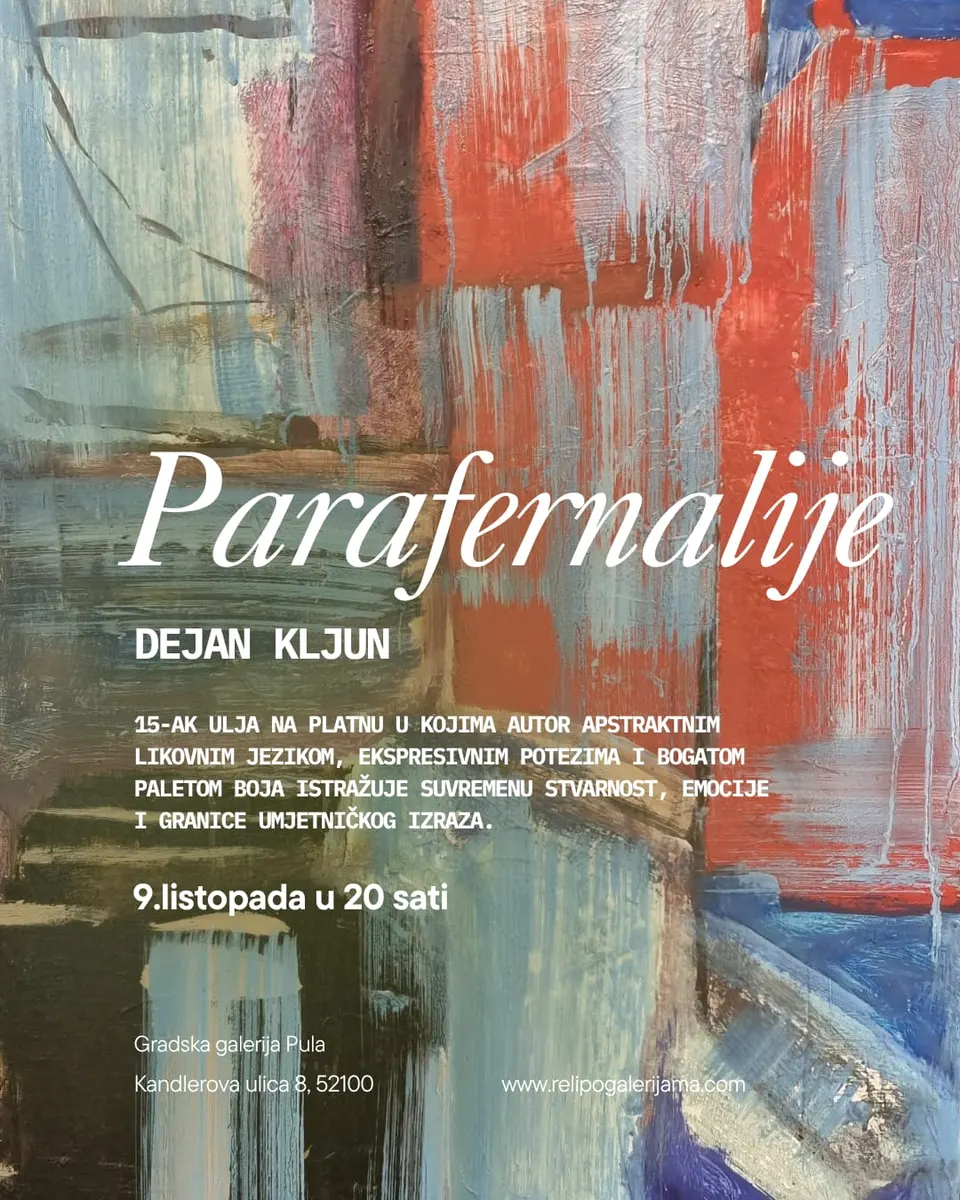
Ten to fifteen large oils on canvas in which Dejan Kljun maps the aesthetic experience of the present with expressive brushstrokes. For Kljun, abstraction is the last glimmer of hope for creatively ennobling the world, and his palette shows the strong influence of Claude Monet.
More about the exhibition
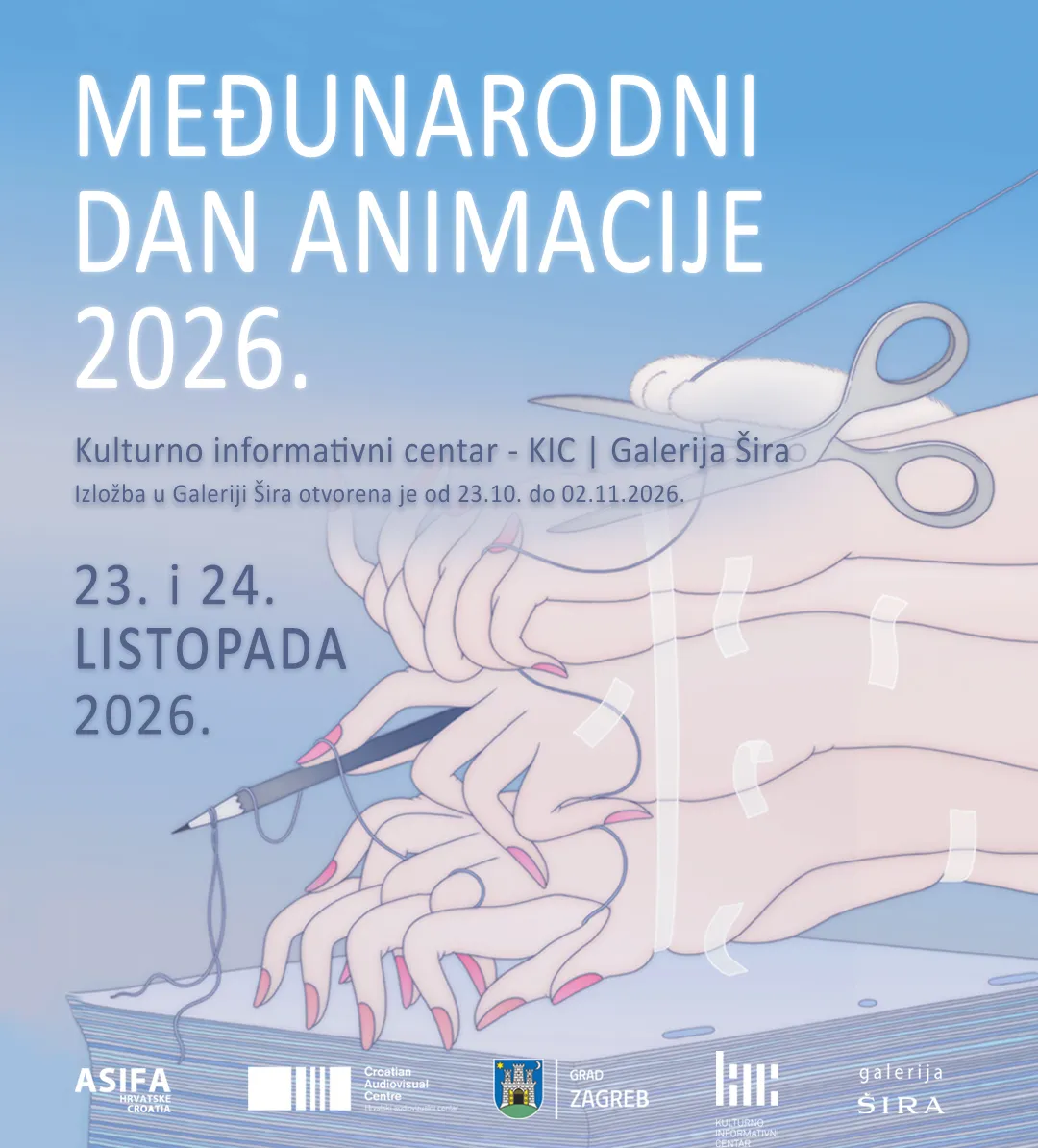
An exhibition, book launches, a children’s workshop and a speed date to mark International Animation Day, organised by the Croatian branch of ASIFA, the international animated film association. Featuring work by Daniel Šuljić and Lucija Mrzljak. The opening is on 23 Oct at 18h, and the programme runs until 2 Nov 2026 at Galerija Šira and KIC.
More about the exhibition
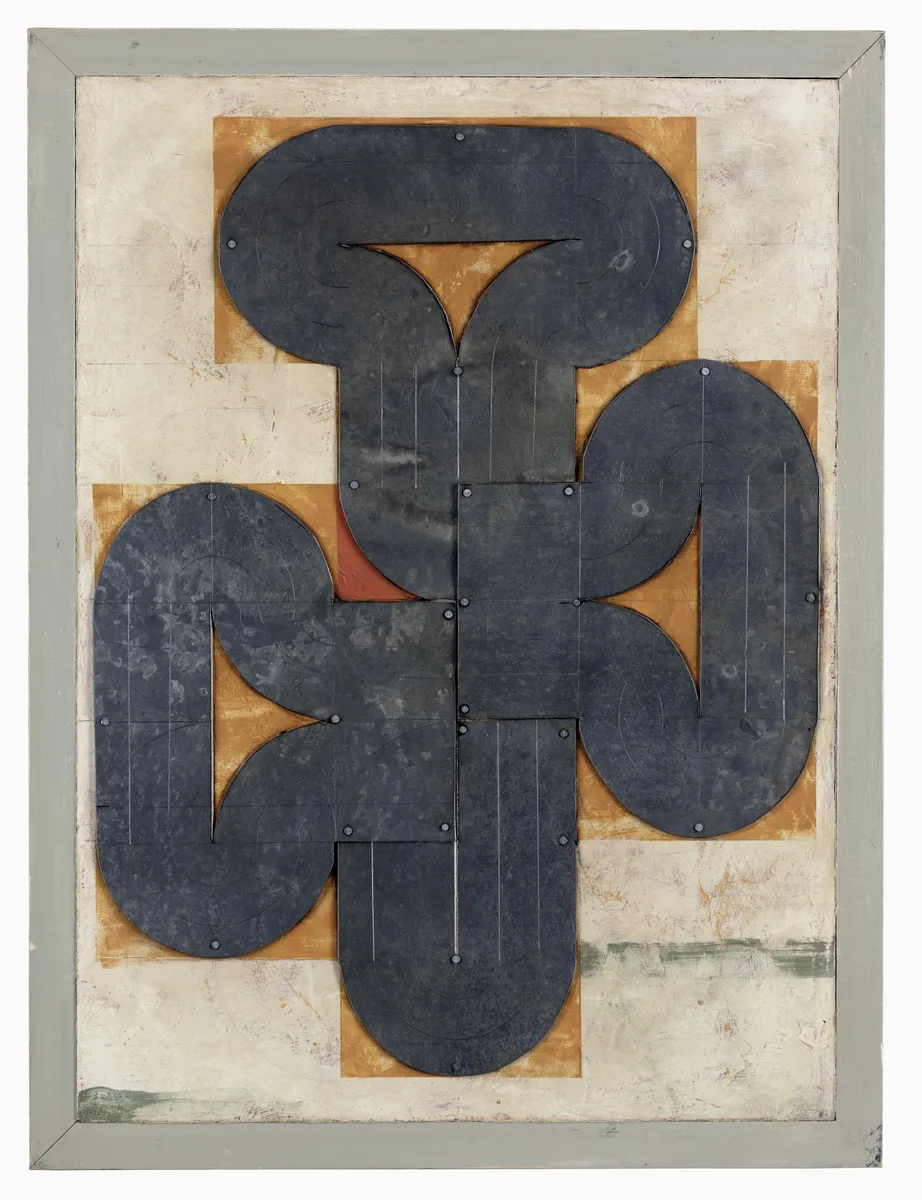
The abstract painter’s new cycle explores the texture of the painted surface and enigmatic compositions that speak to our sense of the sublime, the aesthetic, the ineffable.
Galerija Forum was founded in 1969 as part of Zagreb’s Centre for Culture and Information and has hosted some of the most important exhibitions of Croatian, Yugoslav and international art. Since 2001 it has operated as a non-profit exhibition space of the City of Zagreb.

More about the exhibition
“Što ruke znaju” – Kristina Antolić, Vedrana Peček, Mihaela Podboj In the practices of these three artists, the relationship between hand and material becomes the place where artistic thought takes shape. The printed impression meets the seam, the drawn line continues as thread, and dyed fabric gains volume – a legacy of handcraft skills that the artists take up, question and transform.
“ParaDOX” – Ines Zrnc Gregorina and Tomislav Marić A conceptual, multidisciplinary exhibition exploring the tension between aesthetics and ecological awareness – between what looks beautiful at first glance and what lies beneath the surface.
More about the exhibition
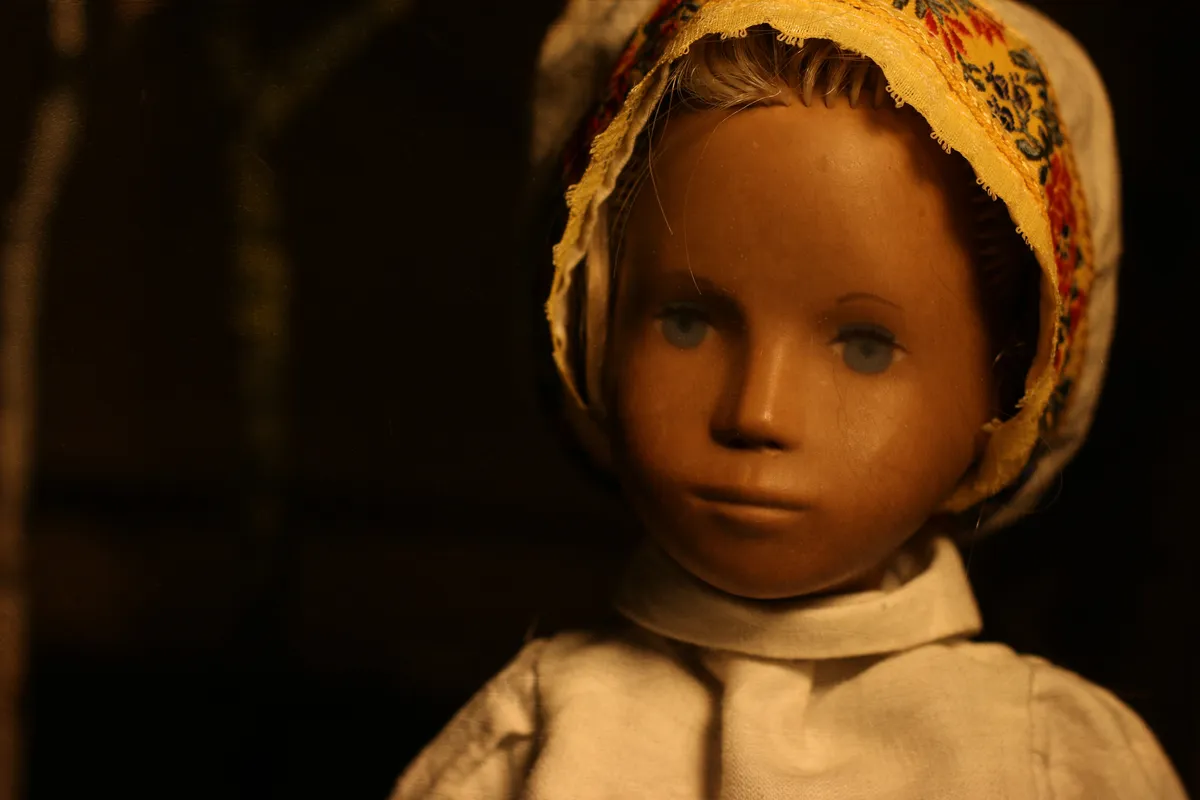
Collages, objects and a new animated film through which Ivana Fischer explores how personal identity is shaped between inherited patterns, social roles and the possibility of individual choice. The exhibition premieres her fifth animated film, “After Belonging”. Curated by Martina Rodrigues, with a foreword by Višnja Pentić.
More about the exhibition
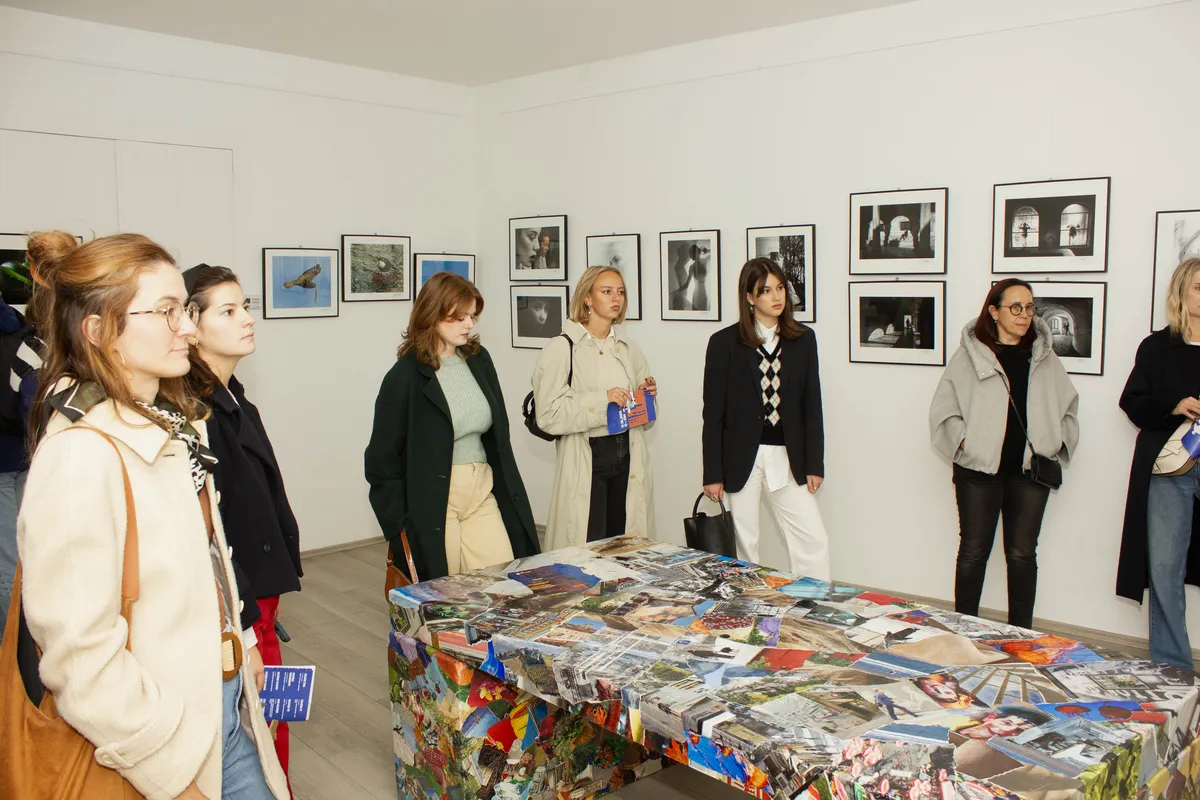
This year Fotoklub Zagreb extends its circle of partners to IFSAK – one of Turkey’s oldest and most respected associations devoted to the art of photography and film, founded in 1959. As part of the new partnership, 84 photographs are on show.
The Fotoklub Zagreb gallery has been running since 1950 and stages more than 14 exhibitions a year.
More about the exhibition
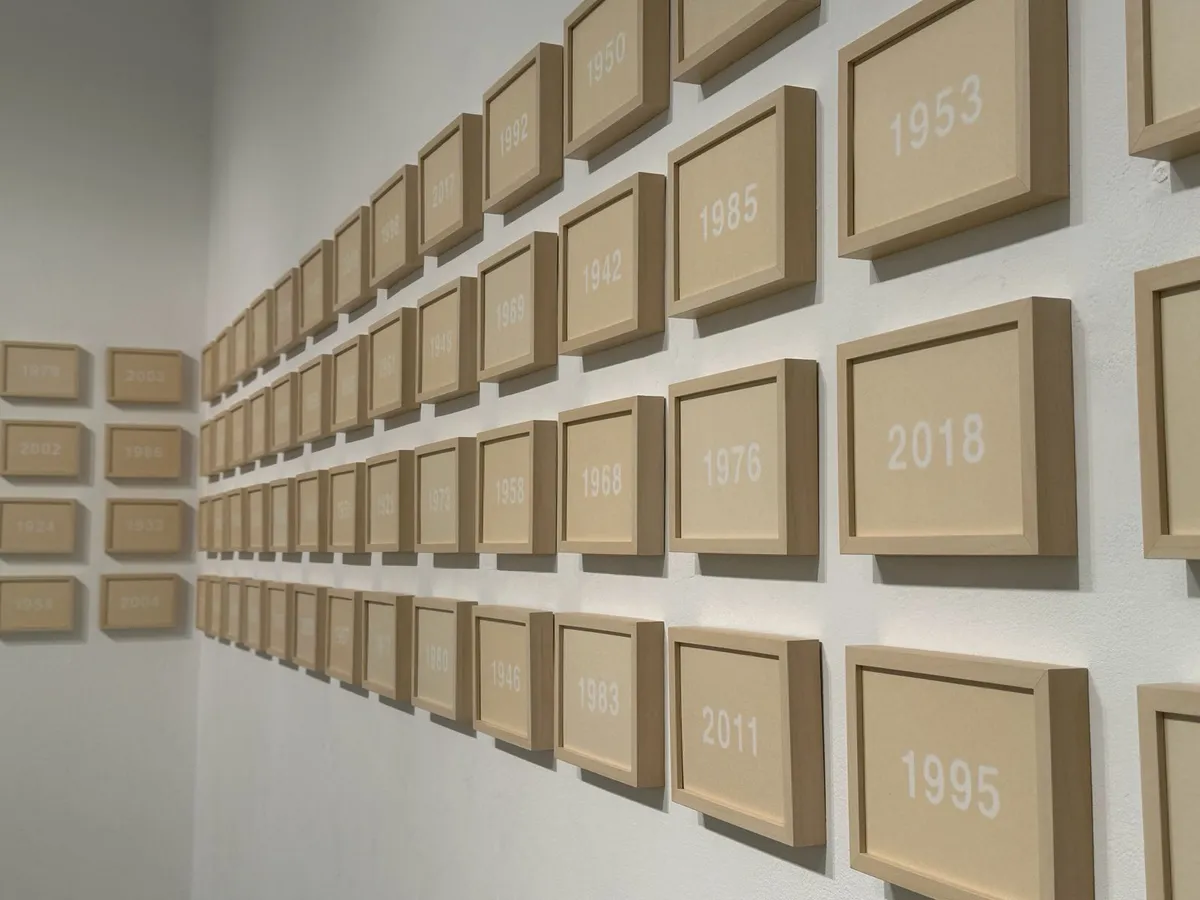
In Neli Ružić’s work, time appears both as measure and as material: as something we try to mark, and as a process that slips past those marks. Past and future enter the same spatial arrangement, forming “an accumulation of time, simultaneously spread out in space”.
More about the exhibition
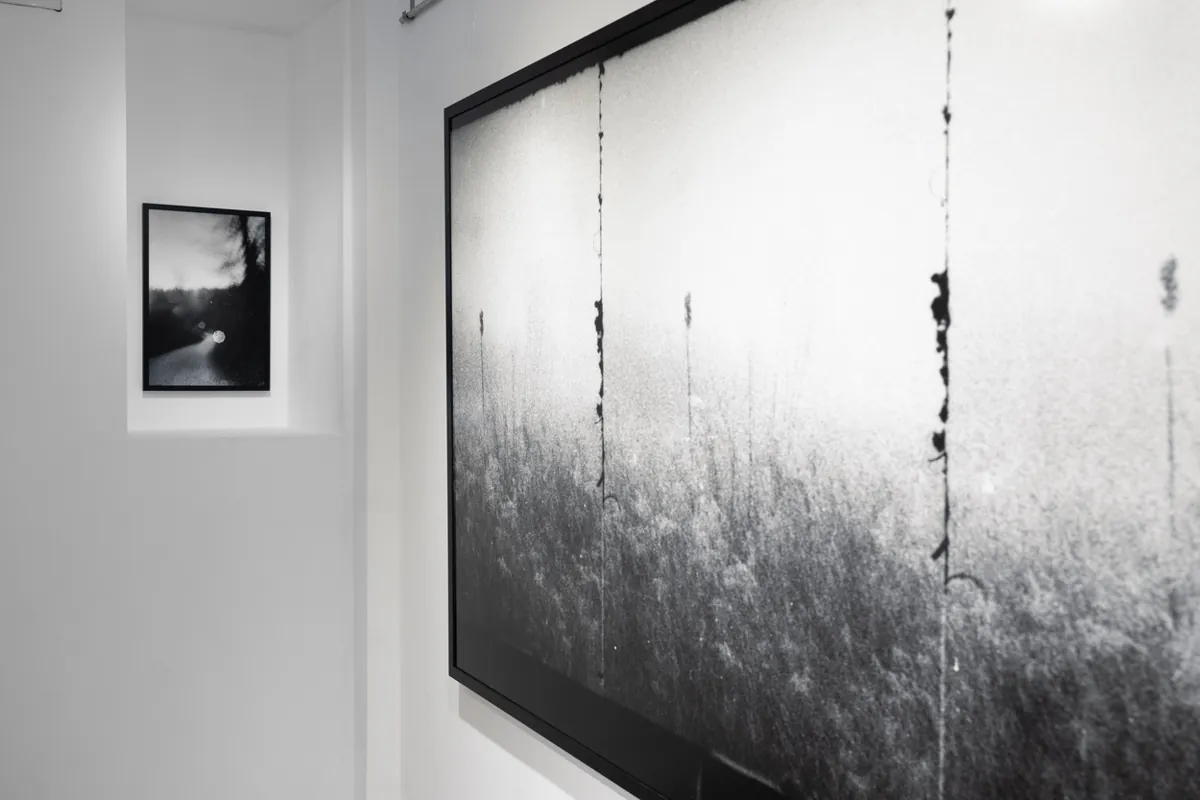
This black-and-white analogue series explores the experience of being alone, distinguishing peaceful solitude from loneliness. Shot on Super 8 film, the works range from landscapes and urban fragments to almost abstract scenes – photographs taken on walks as psychological self-portraits. Part of the Slovenian Contemporary Photography Series.
Živi atelje DK is an art and social space in the former studio of sculptor Vera Dajht-Kralj – an open place for making, collaboration and encounter.
More about the exhibition
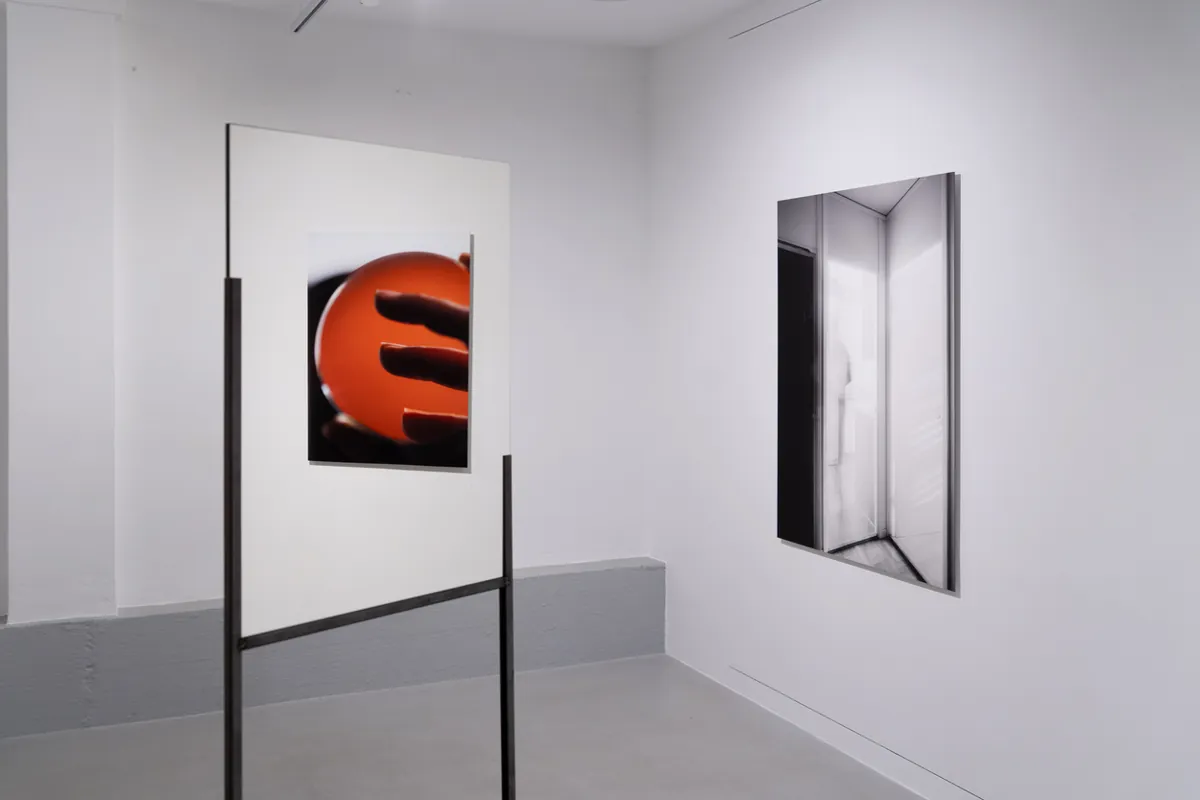
Through different photographic practices, Mirjam and Andrej Lamut explore the porous boundaries between inner experience and outer reality. Mirjam’s photographs evoke transience and the constant “endings” of everyday life, while Andrej’s “Dividing by Zero” builds a space in which logic and ordinary meaning fall apart. Part of the Slovenian Contemporary Photography Series.
Galerija Spot is the exhibition space of the Ured za fotografiju association, dedicated to contemporary photography and related media.
More about the exhibition
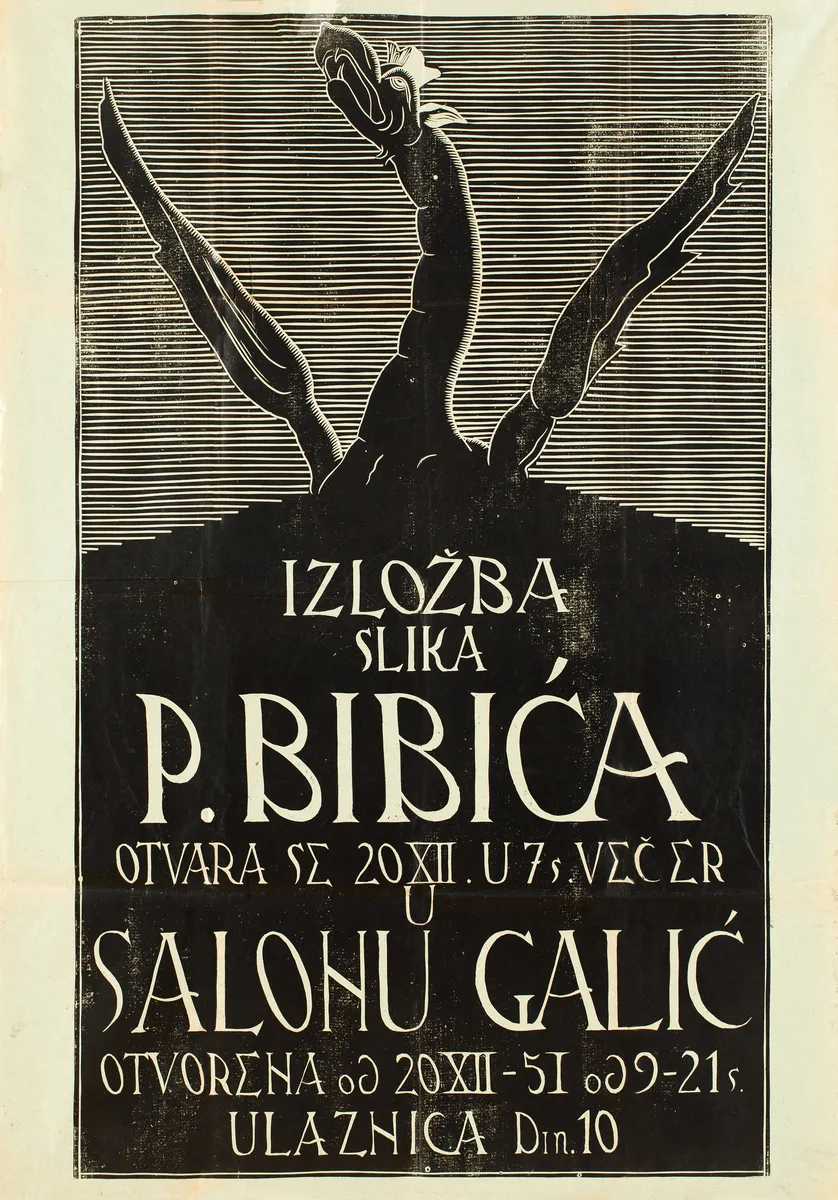
The posters of Split’s Salon Galić, opened in 1924, are the largest surviving body of interwar exhibition posters held by any Croatian museum or gallery – among them unique, hand-painted posters by Marino Tartaglia, Ignjat Job, Emanuel Vidović and Vjekoslav Parać. During the Reli there are guided tours every hour on the hour, and visitors can letterpress-print their own monogram or artwork.
MUO Galerija is the new venue of the Muzej za umjetnost i obrt, between the city centre and Črnomerec.
More about the exhibition
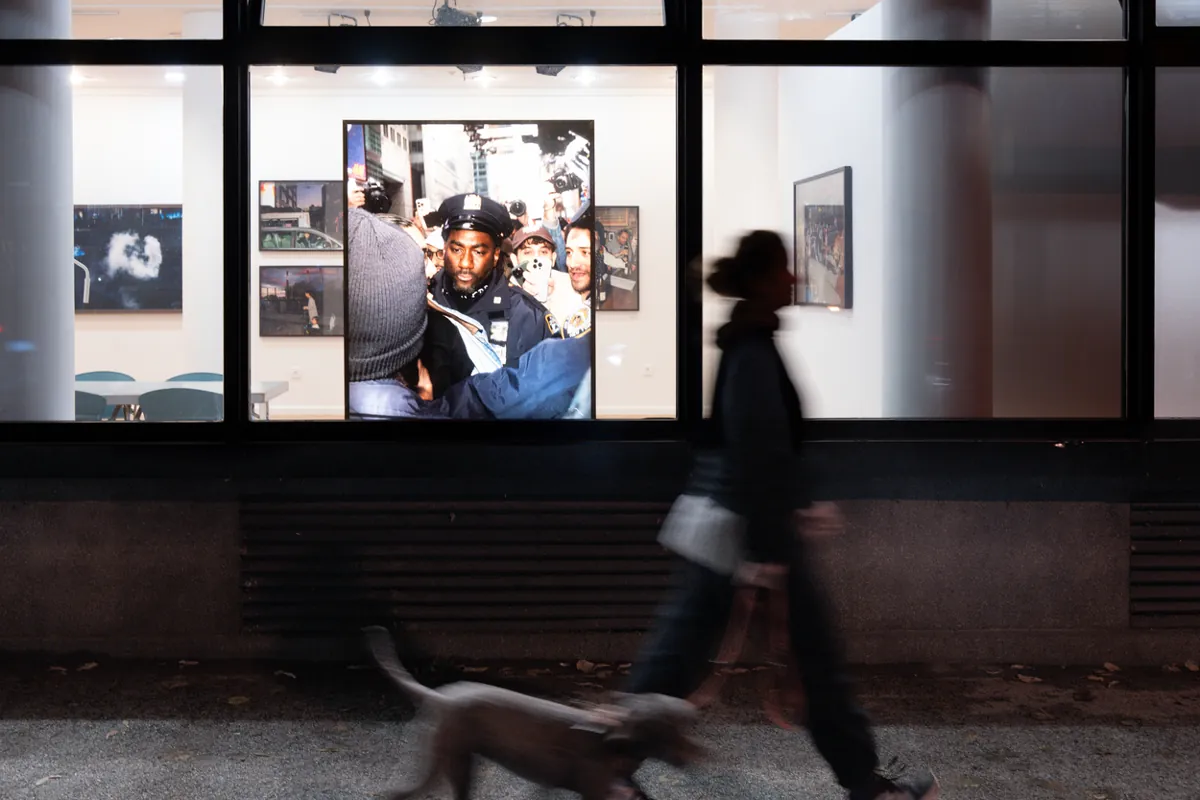
Street photography from New York: everyday city life marked by social and cultural divides, communities securing an affordable life through collective action, and a critical look at the myth of the “American dream”. Photographs in various formats, double-sided lightboxes and texts by the artist. Part of the Slovenian Contemporary Photography Series.
Galerija VN, part of Knjižnice grada Zagreba, is known for its experimental and interdisciplinary programme of emerging and established artists.
More about the exhibition
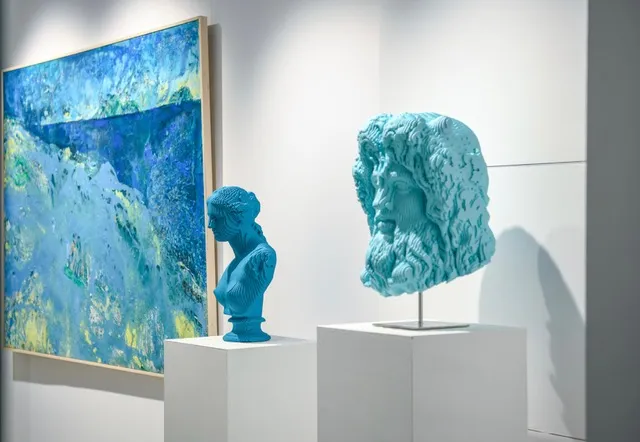
Recent works by the internationally acclaimed Italian sculptor: the human figure interpreted in the spirit of classical tradition, yet with a contemporary sculptural morphology. Each sculpture is assembled like a puzzle from many smaller wooden pieces, and the white forms are set off by accents of colour.
Zen Contemporary Art focuses on contemporary art by established artists of the younger and middle generations, and on discovering new talent.
More about the exhibition
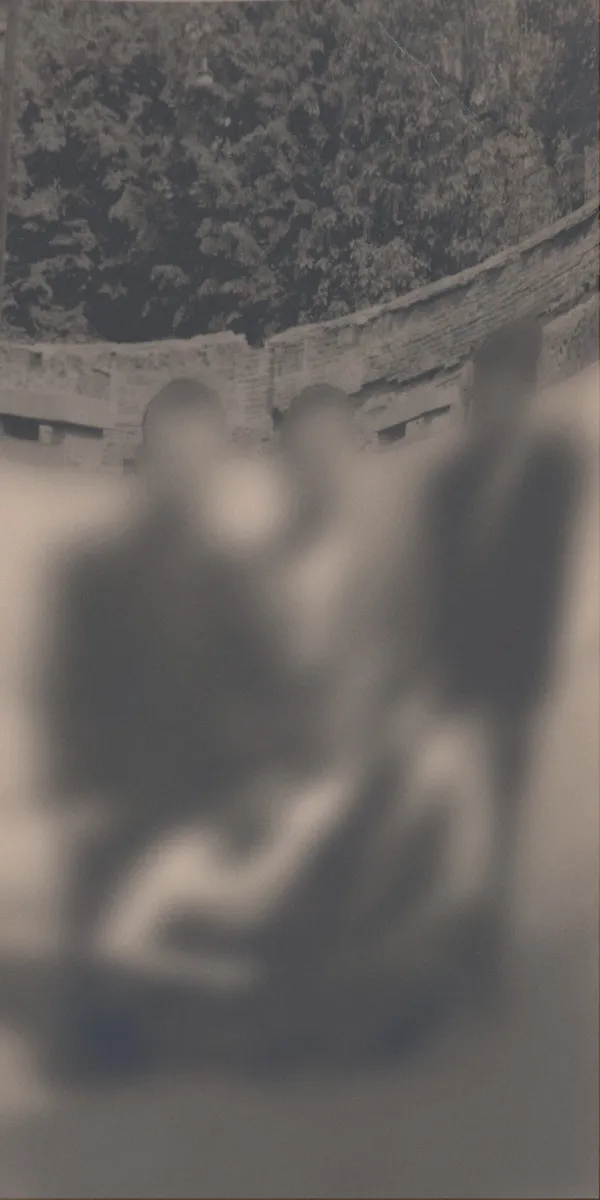
Digital collages of human figures based on family photographs that have been blurred and stripped of recognisable detail. Through monumental formats and blur effects, the work erases the line between personal memory and collective intimacy, opening up space for reflection on transience, forgetting and the invisible layers of memory.
More about the exhibition
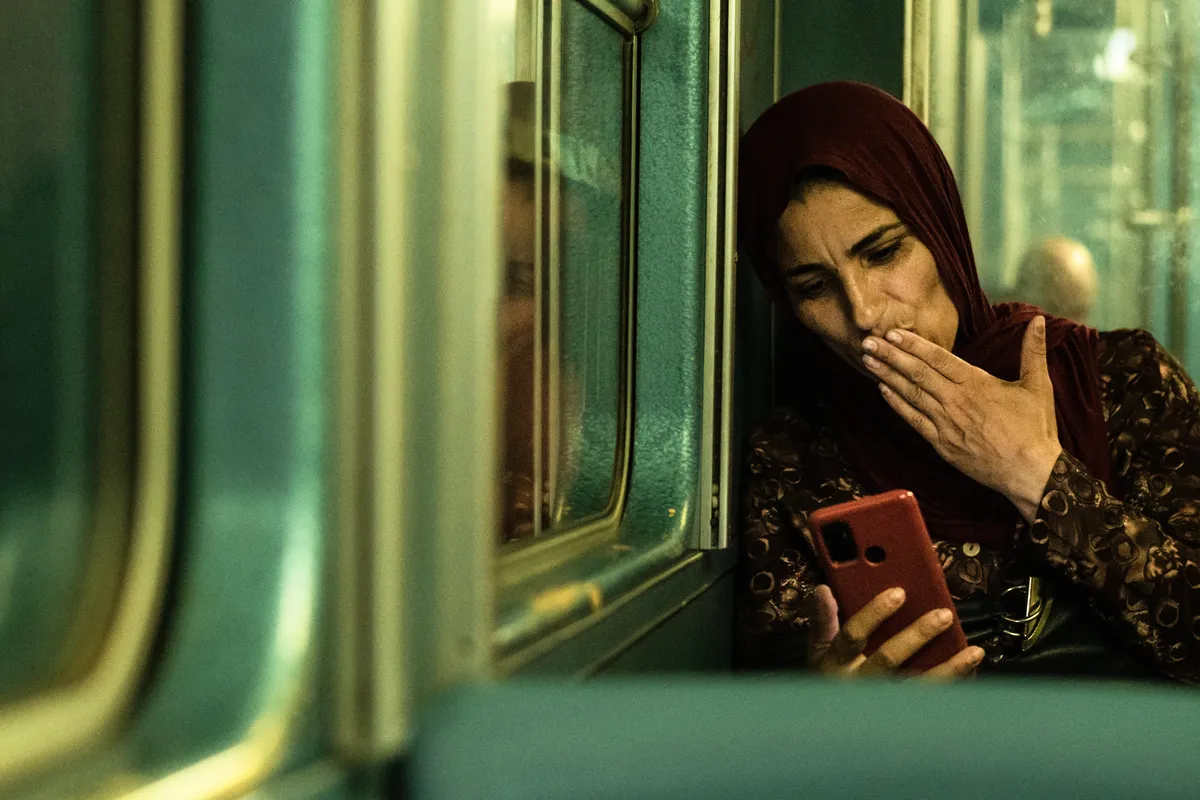
A talk about a shoestring hitchhiking journey from Zagreb to Algiers via Montenegro, Albania, Italy and Tunisia in summer 2023. Through photographs and anecdotes, the authors talk about encounters with local people, hospitality and cultural differences, as well as mass tourism, post-colonial politics and the spectacularisation of place.
More about the exhibition
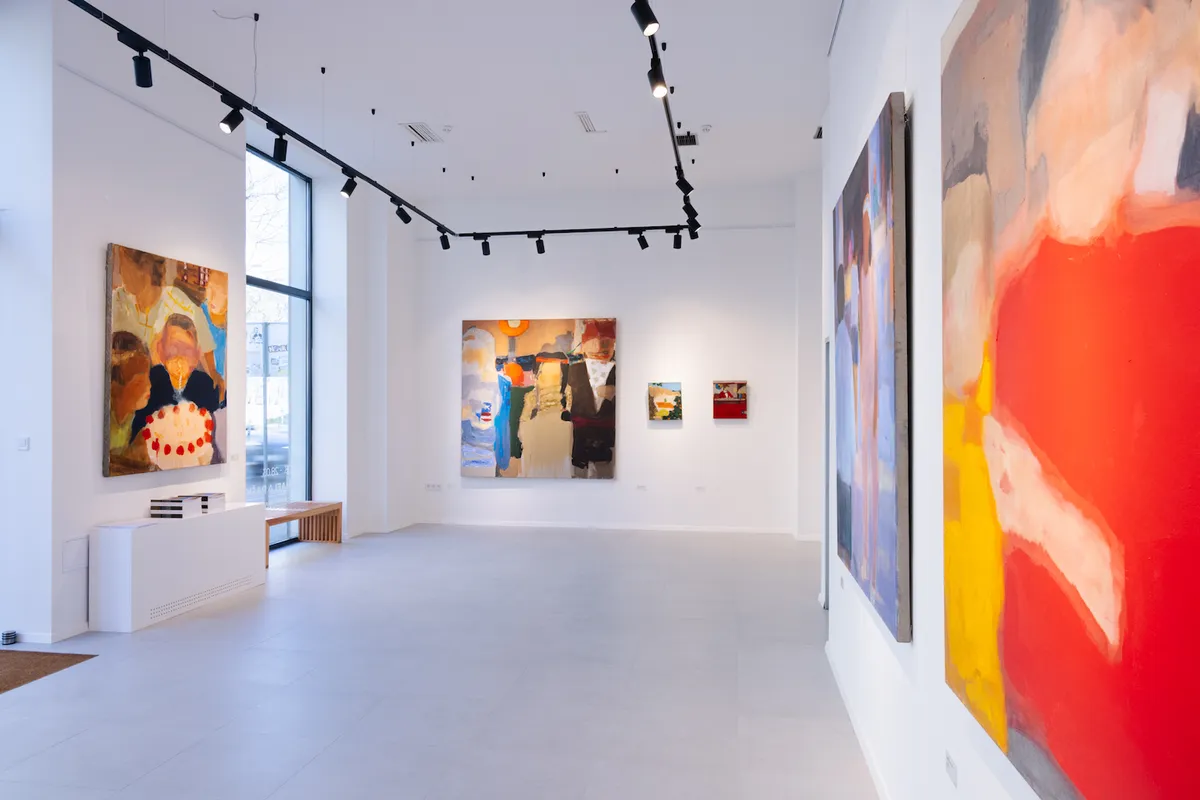
Each work starts from a tree near the Zadar painter’s childhood home, to which she keeps returning as a place of pause and personal reflection. In large-format oils on canvas, the motif sheds its literalness through layers of paint, giving way to powerful colour, atmosphere and feeling.
More about the exhibition
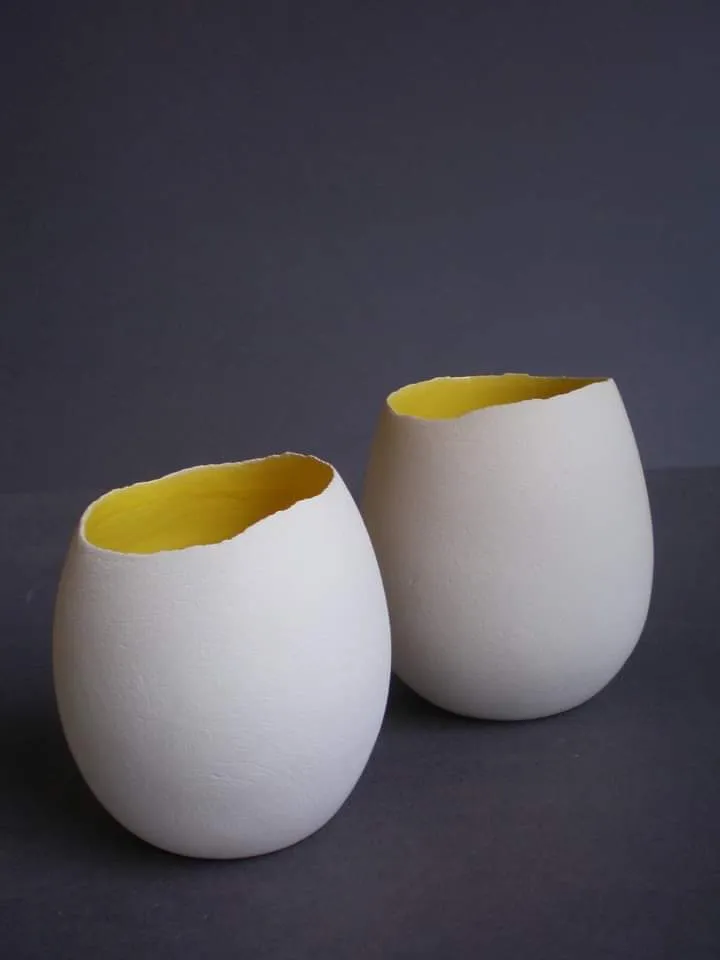
Bojana Švertasek A distinguished ceramicist and member of ULUPUH. Her work in ceramics, sculpture and glass is marked by an exploration of form, material and the relationship between the sculptural and the functional object.
Annual Exhibition of HDLU Members With the Meštrović Pavilion under renovation, this year’s Annual Exhibition of HDLU Members is held at Art&CeRZe, the inclusive art gallery of the Centar za rehabilitaciju Zagreb. The theme is inclusion, featuring HDLU members and participants of the Art&CeRZe gallery.
More about the exhibition
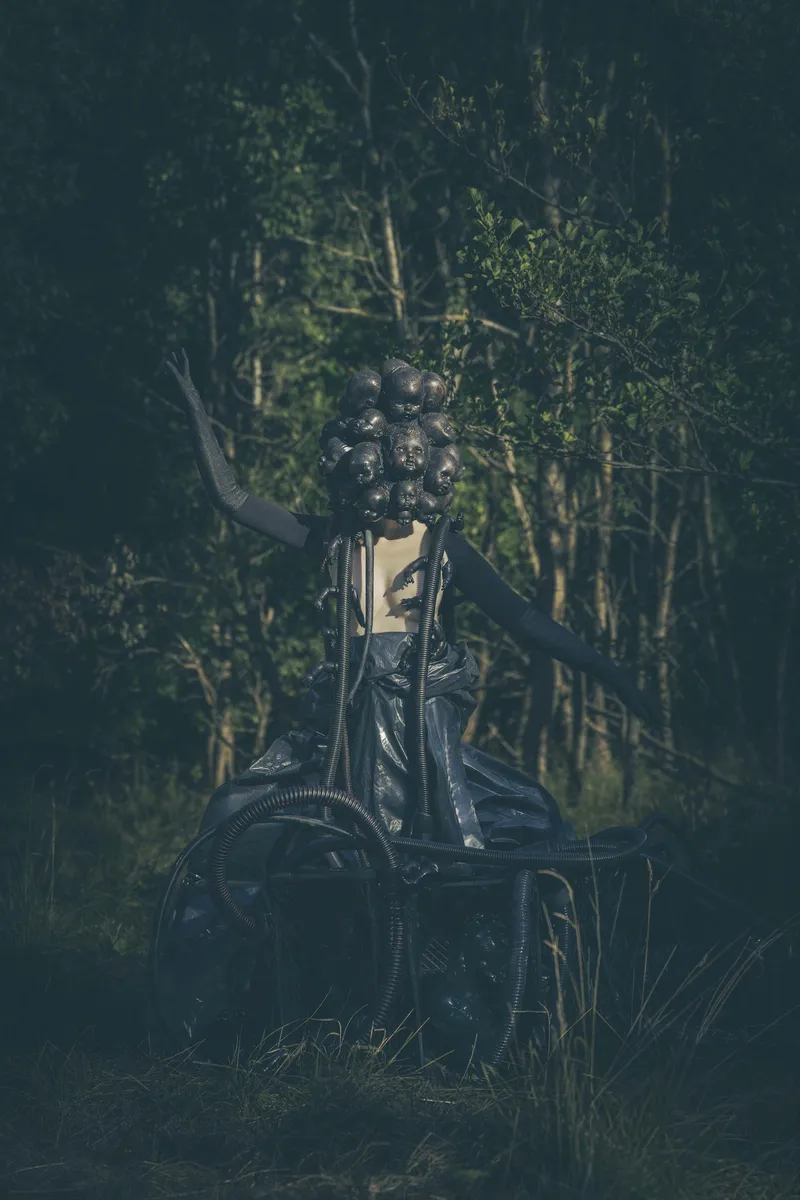
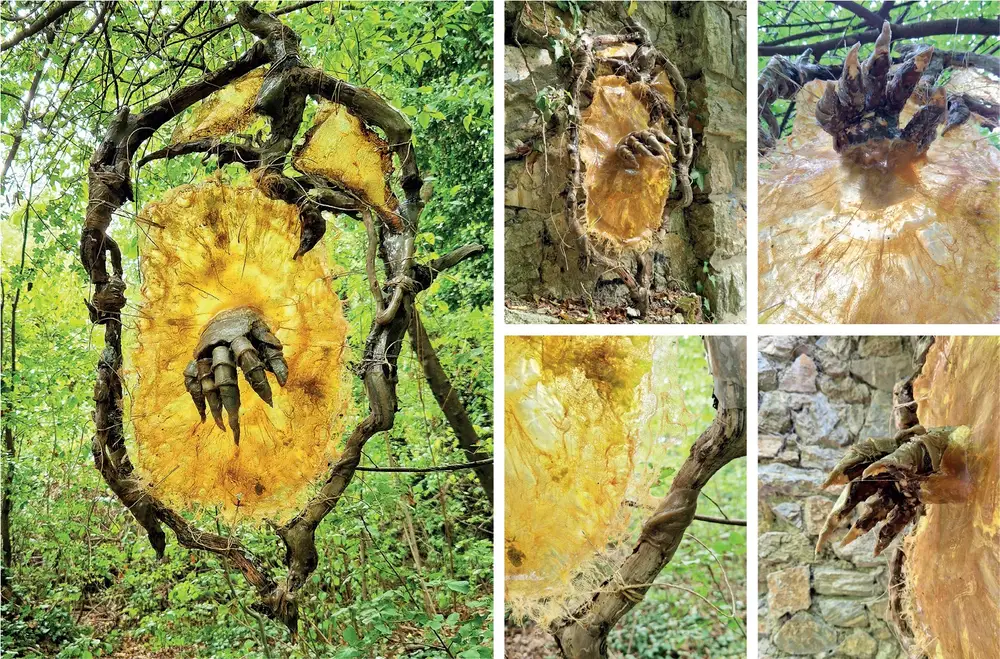
A speculative eco-horror installation about the consequences of human destruction: a dystopian metaverse in which goblins become nature’s avengers against a collapsing civilisation. Video, sound (in collaboration with Ivor Krešić / Kmet) and handmade sculptures of fictional creatures, weapons and artefacts of goblin culture.
After many years at Praška 4, Galerija Karas has moved to Zvonimirova 58.
Visit all the galleries

Start the rally
01
Visit the galleries
02

Collect your diploma
03
Reli po galerijama takes you through Pula’s cultural and gallery scene, encouraging you to explore art spaces and get to know local artists. This interactive cultural event links the city’s galleries into a single urban map of art.
The tour starts at HUiU, where from 17h you can pick up a printed map or start your visit with the web app at relipogalerijama.com. At each gallery you collect a sticker and place it on that gallery’s spot on the map – or follow the web app’s instructions by scanning QR codes.
The tour ends at Gradska galerija, where visitors who have been to every gallery and completed their map by 22h are awarded a diploma for saving culture – which they print themselves using planographic printing.
Reli po galerijama takes you through Zagreb’s cultural and gallery scene, encouraging you to explore art spaces and get to know local artists. This interactive cultural event links the city’s galleries into a single urban map of art.
The tour starts at Galerija Šira, where from 17h you can pick up a printed map or start your visit with the web app at relipogalerijama.com. At each gallery you collect a sticker and place it on that gallery’s spot on the map – or follow the web app’s instructions by scanning QR codes.
The tour ends at Galerija Karas, where visitors who have been to every gallery and completed their map by 22h are awarded a diploma for saving culture.